What Challenger Brands Can Teach Us About Outthinking Big Players
Challenger brands are often defined by what they are not.
They are not the market leader.
They are not the household name with decades of advertising budget.
They are the ones who have to make smarter choices to win.
That position is not a disadvantage. It can be the best leverage point a business has.
When you cannot buy attention at scale, you learn how to earn it. When you cannot compete on legacy, you build trust in other ways. That is the essence of a challenger brand strategy, and it has produced some of the most memorable businesses of the last twenty years.
This article breaks down what challenger brands do differently, why strategy matters more when you are not the market leader, and the lessons any small or mid-sized business can apply right now.
What Is a Challenger Brand Strategy?
A challenger brand strategy is not about shouting louder than the leader. It is about framing your position in the market so customers see you as the smarter choice. This is done through clarity of brand story, distinct design, and customer-first moves that incumbents are often too slow or too bureaucratic to match.
Challenger branding is not limited to startups. Mid-sized companies, regional businesses, and even nonprofits use challenger positioning to gain relevance against better funded competitors. It comes down to mindset. If you are not the category leader, you are by definition a challenger. The only question is whether you act like one.
Five Challenger Brand Strategies That Work
1. Agility Beats Bureaucracy
Big companies move slow. Approvals drag, campaigns stall, and innovation gets buried in red tape. Challenger brands don’t have that problem. Speed is their superpower.
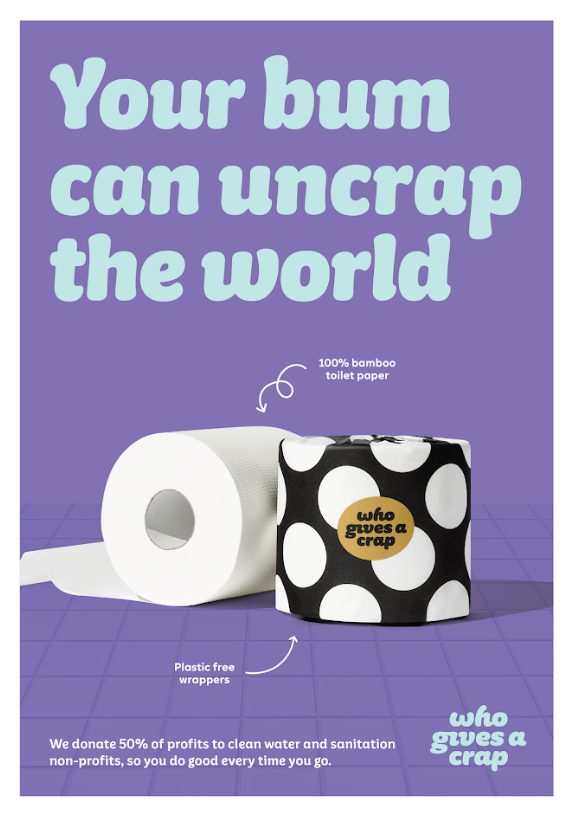
Who Gives A Crap proved it. While legacy toilet paper brands treated their products like faceless commodities, WGAC went direct-to-consumer, added a purpose-driven story, and moved faster than the giants could react. During the pandemic, their agility turned a stockout page into viral marketing that grew their waitlist into the hundreds of thousands.
The lesson: small teams can test, pivot, and own a moment while market leaders are still writing memos.
2. Authenticity Wins Where Big Feels Corporate
Consumers are allergic to corporate spin. They want brands that sound human and act transparently. Challenger brands win by making authenticity their differentiator.
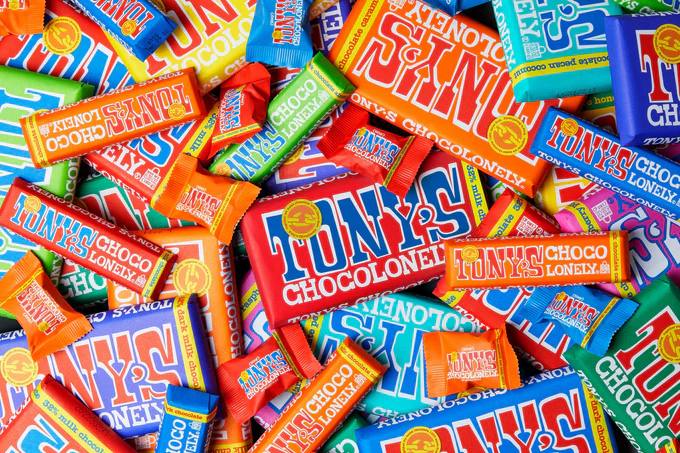
Tony’s Chocolonely didn’t hide from the ugly realities of cocoa production. They put it front and center. Their uneven chocolate bar design symbolized inequality, and their packaging openly explained the problem. While big chocolate companies ran glossy ad campaigns, Tony’s spoke directly to values-driven buyers.
The lesson: honesty travels faster than hype. Challenger brands can say what incumbents cannot.
3. Smart Design Creates Instant Credibility
For challengers, design is not decoration. It is strategy. The right look and feel can close the credibility gap in seconds, making a small player feel bigger and more trustworthy than their size suggests.
Oatly built a global oat milk empire not with massive ad budgets, but with packaging that turned every carton into a conversation starter. Their bold typography and cheeky copy made dairy incumbents look dated overnight.

The lesson: invest in design clarity. It signals professionalism, creates memorability, and makes buyers feel safe choosing you over the market leader.
4. Focus Your Firepower
Leaders have the luxury of scale. Challengers win by narrowing the battlefield. The best play is focus: choose one promise, one product, or one audience, and deliver better than anyone else.
Under Armour did not try to compete with Nike and Adidas across every category. They started with a single performance shirt that solved a real problem for athletes. That focus gave them traction, credibility, and eventually the right to expand.
The lesson: spread too thin and you disappear. Focus on one hill, win it, then expand from a position of strength.
5. Build Community, Not Just Customers
Market leaders often chase market share. Challenger brands build belonging. When people feel like part of a movement, they become advocates, not just buyers.
Mailchimp turned email software into a small business community. They didn’t just sell automation; they shared education, stories, and resources that made entrepreneurs feel supported. That community turned users into loyal promoters.

The lesson: loyalty is not bought, it is built. Challengers who invest in community gain word-of-mouth power that ad spend cannot buy.
Want to see how branding can give your business a challenger edge? Read why branding matters more when you’re not the market leader.
Lessons From Australian Challenger Brands
The challenger mindset is not limited to Silicon Valley. In Australia, regional and mid-sized businesses apply these strategies every day.
- Gundagai Meat Processors shifted the industry conversation by introducing IMF-based grading, positioning themselves as quality leaders in lamb.
- Who Gives A Crap built a global following by combining social purpose with witty design.
- Smaller tourism operators across Victoria have used authentic local storytelling to differentiate from larger national chains.
These examples show that being outside the big cities or away from legacy capital is not a weakness. It is a chance to stand for something sharper and more memorable.
Why Challenger Brand Strategy Matters More Than Ever
The market is noisier than ever. Digital channels are crowded. Customers are skeptical of large corporations. Challenger brands have the opportunity to stand out precisely because they are not the leader.
A well-defined challenger brand strategy does three things:
- Levels the playing field. Design, content, and voice can make a brand feel bigger than it is.
- Drives pricing power. Customers pay more for brands they trust, even when they know the company is smaller.
- Builds long-term momentum. Consistency compounds. Every authentic message and every design choice builds equity.
For businesses that are not number one, branding is not optional. It is the competitive edge.
Ready to Build Your Challenger Strategy?
If you are not the market leader, your brand already sits in the challenger category. The question is whether you treat it as an advantage. Challenger brands outthink bigger competitors by moving faster, being more authentic, and focusing their energy on the right battles.
You do not need the biggest billboard or the loudest campaign. You need clarity, design that works harder, and a strategy that plays to your strengths.
RD Creative Studio helps challenger brands sharpen their identity, design for credibility, and position themselves for growth. If you are ready to outthink the big players, let’s talk about your next move.